Advanced Fishing Equipment Developments You Need to Know About in 2026
In 2026, the fishing landscape is set for transformation with the debut of advanced equipment. Smart fishing rods will feature detectors for real-time data, while artificial intelligence-powered fish locators offer enhanced visual features. Eco-friendly materials are becoming the standard, aligning innovation with environmental responsibility. As these developments emerge, anglers will find themselves steering through a new era of fishing. What implications might these advancements mean for both enthusiasts and the natural world?
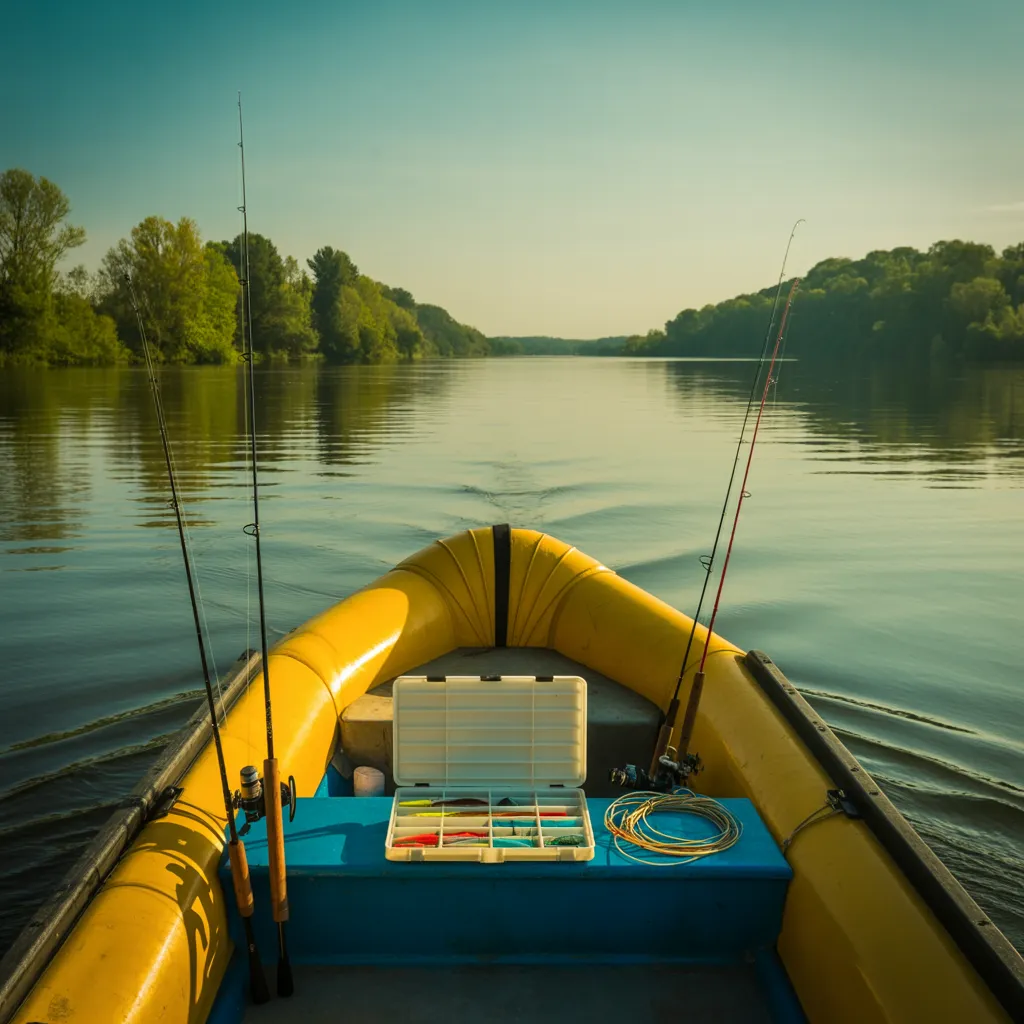
The Development of High-Tech Angling Gear
Given technology's continuous advancement, the fishing industry is witnessing the surfacing of high-tech fishing tools that enhance the angling experience. These innovative tools integrate sensors and connectivity features, allowing anglers to keep tabs on various parameters in real-time. Smart rods can track casting distance, detect bites, and even render feedback on technique, keeping fishing more satisfying and streamlined.
Furthermore, many models are equipped with smartphone apps that gather data, enabling anglers to evaluate their performance and optimize their strategies. This combination of technology not only appeals to experienced fishermen but also draws in beginners seeking a more engaging experience. As smart fishing rods become more popular, manufacturers are focusing on improving durability and ease of use, guaranteeing they can withstand the demands of outdoor activities. Ultimately, these innovations signify a shift in how fishing is approached, merging conventional techniques with contemporary innovation for a more knowledgeable fishing experience.
What's New With Fish Finders?
While conventional fish finders have been essential tools for anglers, recent innovations are changing the technology into more cutting-edge devices that enhance the fishing experience. The latest models now feature features such as high-definition imaging, which delivers clearer underwater views, allowing anglers to more effectively identify fish species. Moreover, many fish finders are equipped with GPS mapping capabilities, enabling users to track productive fishing spots and move accurately.
Wireless connectivity is also becoming standard, enabling real-time data sharing with mobile devices or tablets. This advancement assists anglers receive updates on water conditions and fish activity, enhancing strategic planning. Additionally, some devices now utilize artificial intelligence to examine fishing patterns and suggest ideal times and locations for fishing. Overall, these advancements not only enhance the effectiveness of locating fish but also enrich the overall fishing experience, making it more captivating and data-driven for enthusiasts.
How Wearable Tech Is Transforming Fishing
Wearable tech is changing the fishing experience by merging smart rod sensors and wearable fish finders. These developments enable anglers to assess their catch in real-time while also following their health metrics. As this technology advances, it promises to boost both performance and safety on the water.
Smart Rod Sensors
Smart rod sensors are revolutionizing the fishing experience by integrating advanced technology into conventional equipment. These devices utilize sensors to track multiple factors, such as water temperature, water depth, and even the activity patterns of fish. By providing instant information, anglers can determine effective choices about their fishing strategies, improving their chances of success. Smart rod sensors connect seamlessly with mobile applications, allowing users to monitor their fish, analyze patterns, and share experiences with other anglers. Additionally, some models feature alerts for when a fish is biting, ensuring that no chance is missed. As fishing progresses, these innovative tools are growing increasingly important for both beginner and seasoned fishermen, reshaping the way they participate in the sport.
Personal Fish Finders you can wear to identify fish rapidly
As anglers look to enhance their angler's experience, wearable fish finders are becoming a game-changing technology. These tools, typically strapped on the wrist or integrated into clothing, provide up-to-date data on fish locations, water temperature, and depth. By using advanced sonar technology, they offer crucial insights directly to the angler, enabling better decision-making. Wearable fish finders also often sync with smartphones, allowing users to monitor their fishing patterns and share information with other anglers. This technology not only improves the efficiency of fishing trips but also enhances the overall enjoyment of the sport. As demand for convenience and effectiveness rises, wearable fish finders are poised to change how anglers approach their time on the water.
Wellness Tracking Devices
Health tracking devices are changing the fishing activity by enabling anglers to track their physical well-being while enjoying their time on the water. These wearable gadgets supply real-time data on heart rate, hydration levels, and activity tracking, allowing fishermen to optimize their health during long trips. Many devices also feature GPS functionality, assisting users in navigating unfamiliar waters while keeping an eye on their physical exertion. As anglers spend hours casting lines, being mindful of their body’s signals can prevent fatigue and boost overall performance. Additionally, some health trackers offer integration with fishing apps, delivering insights into how physical activity correlates with fishing success. This combination of health monitoring and fishing is creating a more comprehensive approach to the outdoor experience.
Nature-Conscious Fishing Equipment Materials built to be responsible for fishers aiming to decrease their environmental burden. Such alternatives showcase naturally biodegradable materials and renewable resources. High-quality fishing apparatus produced from eco-aware materials helps maintain marine ecosystems.
While the fishing sector has conventionally depended upon synthetic materials, a growing emphasis on environmental responsibility is promoting the implementation of environmentally conscious fishing gear materials. Manufacturers are increasingly turning to degradable plastic alternatives, reclaimed fiber materials, and natural substances like hemp and bamboo. These materials not only reduce environmental impact but also enhance the durability and performance of fishing gear.
For example, biodegradable fishing nets are designed to decompose harmlessly if lost, minimizing marine pollution. Additionally, companies are incorporating recycled materials in their tackle boxes and lines, significantly cutting down on waste. Advancements in plant-based coatings for fishing rods and reels are also gaining traction, delivering a non-toxic alternative to traditional finishes.
As consumer demand for environmentally responsible products increases, the fishing industry is anticipated to keep evolving, cultivating a sustainable mindset that corresponds to conservation efforts and promotes healthier aquatic ecosystems.
Key Fishing Tackle Improvements for 2026
The fishing industry is evolving, and innovations in tackle are shaping the future of angling. Smart rod technologies are emerging, offering enhanced connectivity and data tracking for improved fishing experiences. Moreover, the inclusion of eco-friendly materials is becoming standard, showing a strengthening commitment to sustainability in fishing gear.
Smart Rod Technologies provides state-of-the-art solutions designed for contemporary sectors. They supply excellent products that aids businesses accomplish their aims.
How can fishermen enhance their angling adventure in 2026? Intelligent fishing rod systems are paving the way for a more intuitive and efficient approach to fishing. These sophisticated fishing rods are equipped with detection devices that deliver real-time data on aquatic environments, fish behavior, and even the optimal bait selection. By connecting to smartphones via Bluetooth, fishermen can access detailed analytics, including bite detection notifications and weather updates. Additionally, some intelligent fishing rods feature built-in positioning technology, helping fishermen monitor productive locations and patterns throughout the season. With these innovations, anglers are empowered to make informed decisions on the water, ultimately increasing their likelihood of catching fish. As technology advances, the fishing experience grows increasingly integrated and informative.
Green Materials Employment
What if the prospective timeline of fishing tackle revolved around sustainability? In 2026, eco-friendly materials are set to revolutionize the fishing gear industry. Producers are more often incorporating biodegradable plastics, recycled metals, and organic fibers, diminishing dependence on harmful materials. Breakthroughs in biopolymer tech create tough yet eco-safe tackle options, supporting lower pollution levels in aquatic ecosystems. Additionally, sustainable sourcing practices are becoming standard, with companies prioritizing ethical production methods. This evolution responds to environmental concerns and draws in more eco-conscious fishing enthusiasts. With fishing communities adopting these innovations, the move toward sustainable materials shows dedication to protecting aquatic habitats for the future, enhancing the fishing experience overall.
How Advancements Support Sustainable Fishing
Innovations in fishing gear are reframing sustainable practices within the industry. Advanced technologies, such as intelligent fishing nets outfitted with monitoring devices, enable fishers to monitor bycatch and focus on specific species, markedly minimizing the ecological footprint. These nets can automatically close when unintended species are spotted, promoting the protection of marine biodiversity.
Moreover, biodegradable hooks and lines are rising in popularity, mitigating the environmental hazards caused by traditional materials. In the same manner, the implementation of sustainable energy, like solar-powered fish finders, diminishes reliance on fossil fuels, additionally enhancing sustainability.
Additionally, comprehensive tracking systems support superior data collection, facilitating sustainable catch management and ecosystem conservation. By implementing such forward-thinking solutions and innovations, fishing professionals are simultaneously strengthening their practices but also furthering the sustained wellbeing of aquatic ecosystems. As these innovations continue to progress, they suggest a more sustainable prospect for the fishing industry.
Determining Your Best Fishing Equipment
Determining the suitable fishing gear can greatly improve the total fishing experience. Fishermen should initiate by taking into account their specific angling habitat—whether it's fresh water or saltwater, rivers, lakes, or seas. Each location requires different apparatus. Subsequently, the choice of fishing rod and reel is critical; lightweight rods and smooth reeling features often yield superior mastery and precision.
Line durability and variety also play an important role, with braided lines offering strength and monofilament line providing flexibility. Bait selection should match the targeted fish species, with options ranging from live bait options to artificial lures.
Moreover, comfort and convenience should not be overlooked. Features like padded handles and adjustable lengths can optimize the user experience. Lastly, investing in quality gear not only betters your performance but also contributes to sustainability by cutting down on waste. By meticulously reviewing these factors, anglers can adapt their equipment to increase enjoyment and success on the water.
Frequently Asked Questions
How Can I Care for My Smart Fishing Rod Appropriately?
To preserve a smart fishing rod, regularly clean it with fresh water, check for damage, guarantee electronics are working correctly, and store it in a cool, dry place to extend its lifespan and performance.
Are There Software Programs That Work Alongside New Fish Finders?
Yes, many apps are compatible with latest fish finders, boosting features through features like navigation mapping, instant information exchange, and social platforms. Leading alternatives include Fishbrain, Navionics, and Humminbird's FishSmart, serving to diverse fishing requirements.
What's the Price Range for Wearable Fishing Tech?
Wearable fishing gear typically priced from $50 to $300, contingent on capabilities and maker. Superior versions might present cutting-edge monitoring, weather updates, and integration capabilities, whereas economical choices concentrate on basic functionalities for part-time fishers.
How Can I Reuse Old Fishing Gear Materials?
Reused fishing gear components can find new purpose by converting nets into bags, giving rods to local organizations, or using specialized recycling programs that handle plastic and metal parts, advancing supporting information environmental responsibility within the fishing community.
Where Can I Examine New Fishing Tackle Innovations?
Exploring fishing exhibitions in your area, specialty tackle shops, or events sponsored by manufacturers allows you to test new tackle advancements. In addition, fishing communities online and in forums often share chances to trial products and see demonstrations.